
Explore a production
The Shining at Elstree
Although its story takes place in the Colorado Rockies, much of Stanley Kubrick’s The Shining was created on the stages, backlot and workshops of EMI-Elstree Studios (and a little on the former MGM-British Studios) in Borehamwood.
The production transformed the studio into the Overlook Hotel, constructing its vast interiors alongside the Torrance family’s apartment, the hedge maze, the Gold Ballroom and numerous other sets. Drawing upon original research, archive material and first-hand testimony recorded by The Elstree Project, this page explores where and how the film was made.
Production at a glance
- Production
- The Shining
- Released
- 1980
- Director
- Stanley Kubrick
- Production company
- Hawk Films
- Principal studio
- EMI-Elstree Studios, Shenley Road
- Additional studio site
- Former MGM-British Studios, Elstree Way
- Additional UK filming location
- British Airways Training Centre, Cranebank
- Based on
- The novel by Stephen King
The Shining · EMI-Elstree Studios, 1978–79
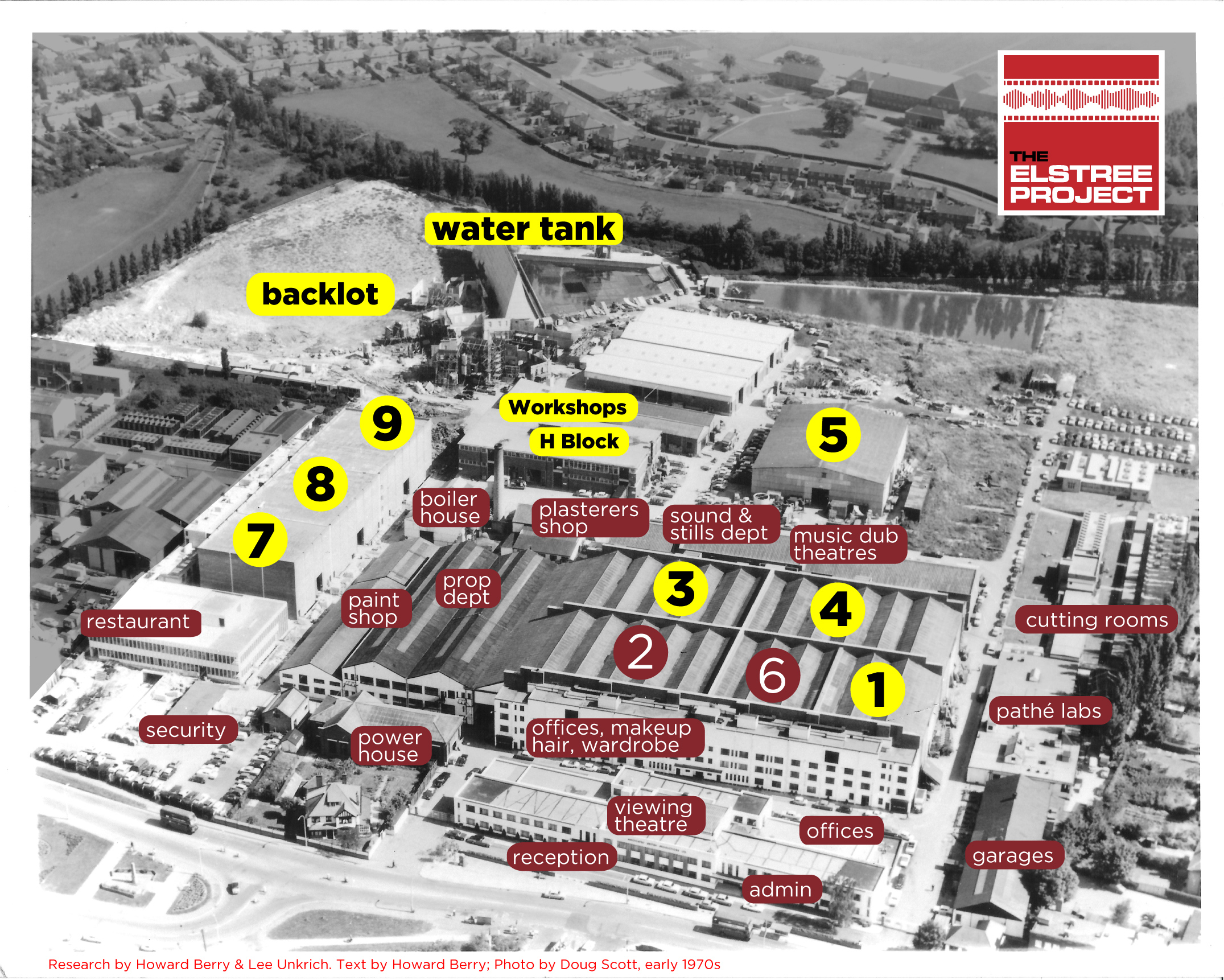
Explore where The Shining was made
Select a highlighted stage or production area to discover where the Overlook Hotel’s interiors, exterior and other sets were created across EMI-Elstree Studios.
Production location—
Choose a location
Select a yellow marker or location name
Information about the sets and production departments based here will appear in this panel.
Research by Howard Berry and Lee Unkrich. Text by Howard Berry. Aerial photograph by Doug Scott, early 1970s.
Making The Shining at Elstree
Although the Overlook Hotel appears to stand alone in the Colorado Rockies, much of the world seen in The Shining was constructed across EMI-Elstree Studios in Borehamwood. The production spread through the studio’s stages, workshops, water tank, backlot and production offices.
The hotel itself was assembled as a series of separate environments. The Colorado Lounge occupied Stage 3, while the lobby and Stuart Ullman’s office were constructed on Stage 4. Stage 5 housed the Gold Ballroom, the Boulder apartment and Room 237. Other stages contained the Torrance family’s living quarters, the Ranger’s Station, Dick Hallorann’s apartment and the staff-wing staircase.
The production also made extensive use of the wider studio site. The Overlook exterior and Durkin’s garage and store were constructed on the backlot. The water-tank area was used for the elevator blood shot and the perimeter of the hedge maze went around the exterior of the tank. In the workshops, the games-room set contained the celebrated red bathroom adjoining the Gold Room.
H Block — now known as the Enigma Building — became an important production centre. It contained the hotel kitchen and boiler-room sets, alongside the production art department, cutting rooms, Stanley Kubrick’s office and the office of publicist Julian Senior.
Not everything was filmed within EMI-Elstree. The daytime hedge-maze interior was constructed at the former MGM-British Studios on Elstree Way. The scene showing Dick Hallorann aboard an aeroplane as he travels back towards the hotel was filmed at the British Airways Training Centre at Cranebank.
Together, these locations demonstrate the extraordinary physical scale of the production. The Overlook Hotel was not one building but a collection of carefully connected spaces, distributed across Borehamwood’s studios and brought together on screen through production design, cinematography, editing and sound.
The people who made it
The Elstree Project has recorded first-hand memories from members of The Shining’s production team and cast, alongside members of Stanley Kubrick’s family who witnessed the production and his working methods. Together, their testimony preserves the human story behind the sets, images and sounds created at Elstree.
Production and personal perspectives
Art, continuity and sound
Camera and special effects
Cast
All of these interviewees except Lisa and Louise Burns appear in Staircases to Nowhere: Making Stanley Kubrick’s “The Shining”. The Burns sisters’ interview forms part of The Elstree Project’s wider oral-history archive.

An Elstree Project documentary
Staircases to Nowhere
First released in 2013, Staircases to Nowhere: Making Stanley Kubrick’s “The Shining” tells the story of the production through the memories of the people who were there. The film was completely re-edited in 2026, adding five interviews and a further twenty minutes of material.
Discover the filmThe Elstree Project · 25 May 2015
Forever and Ever: 35 Years of The Shining
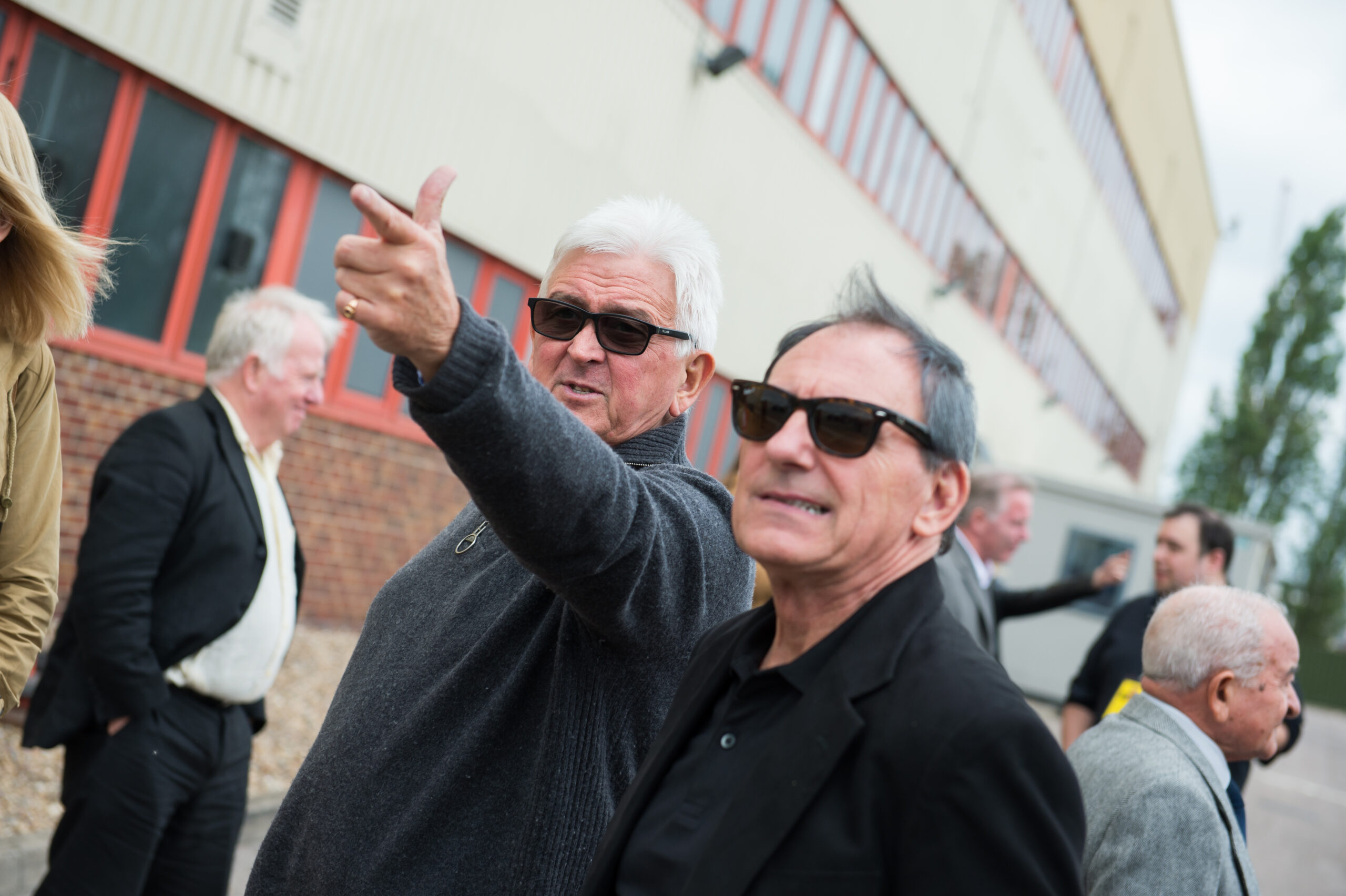
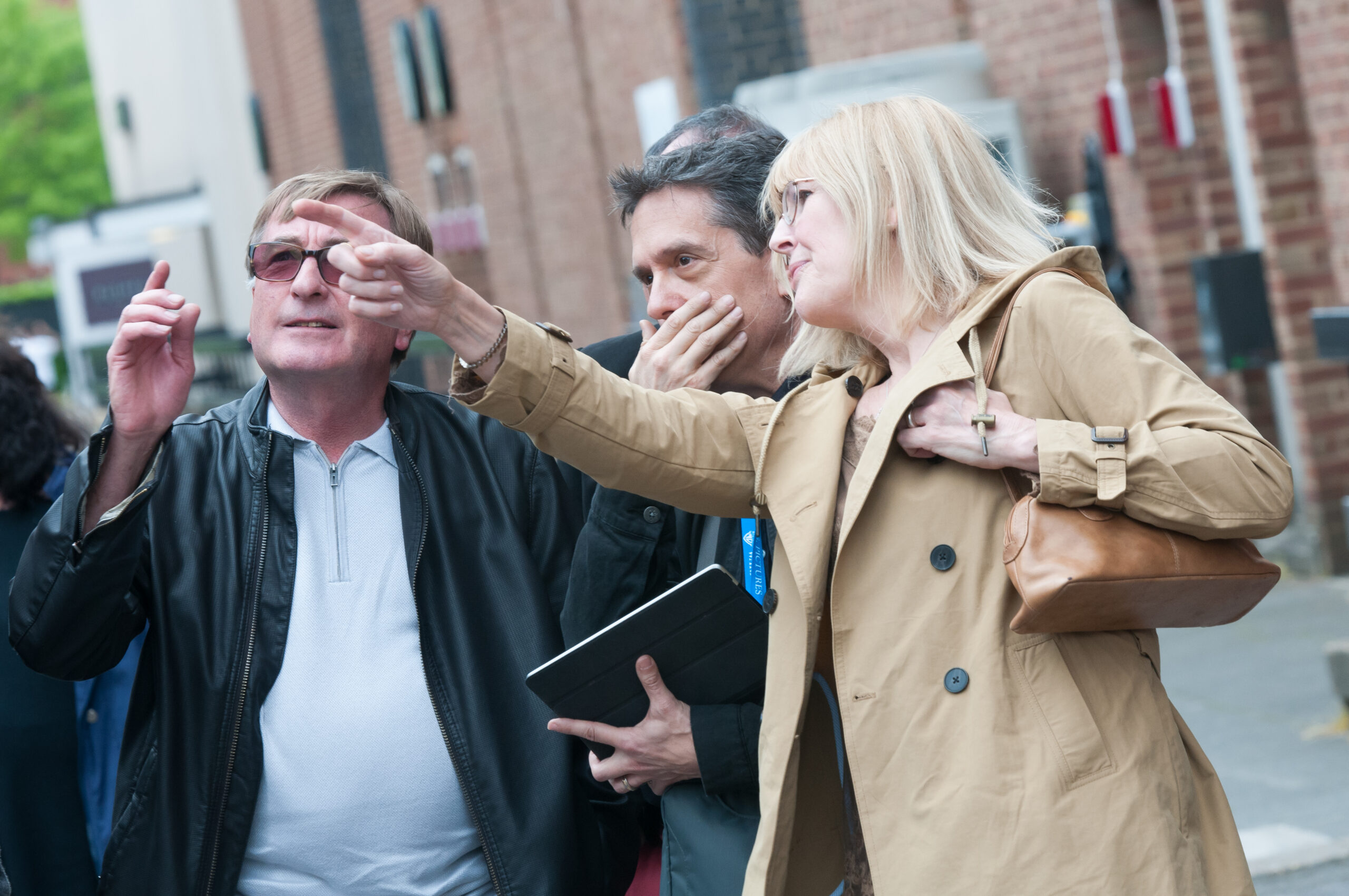
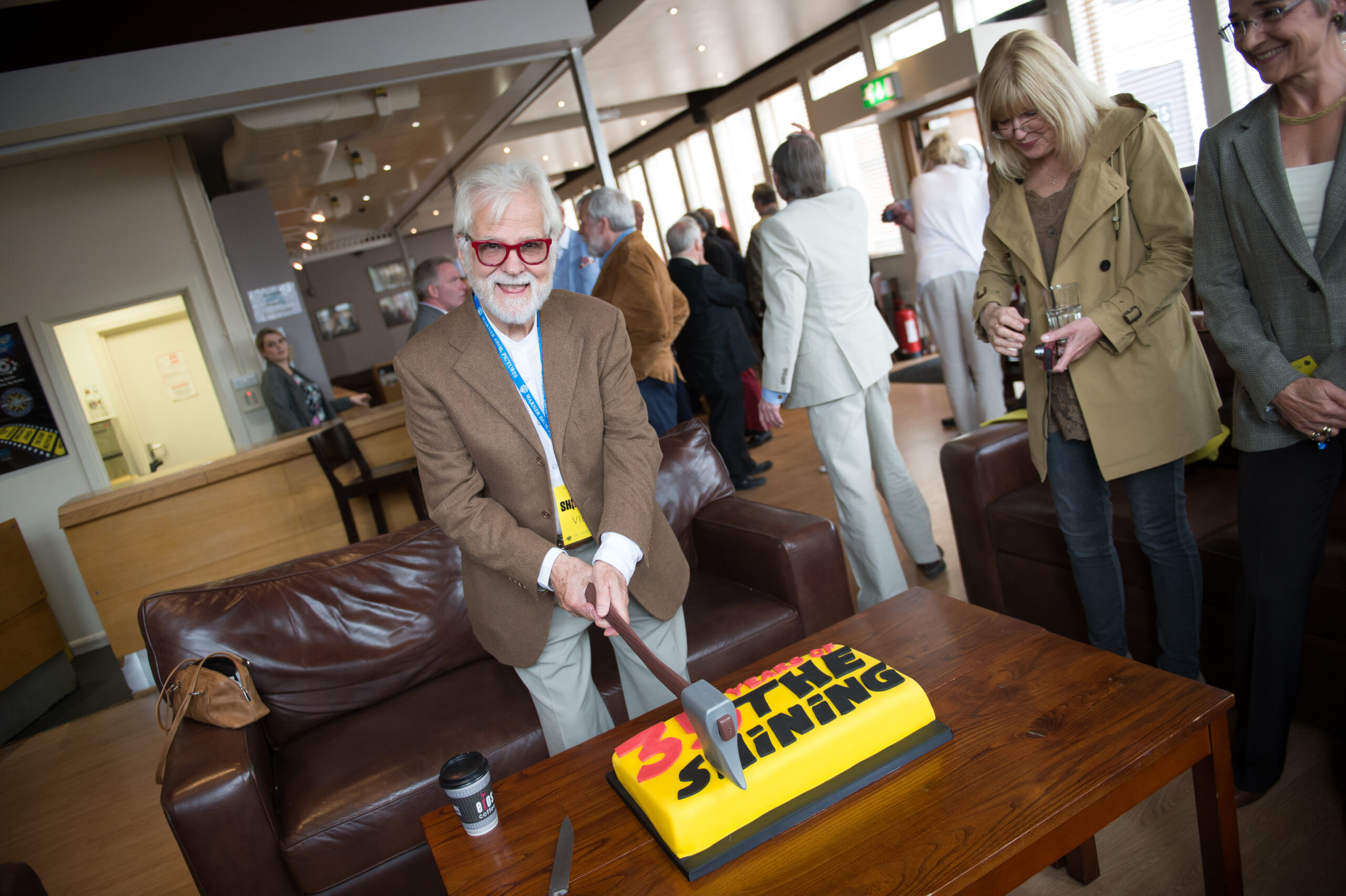
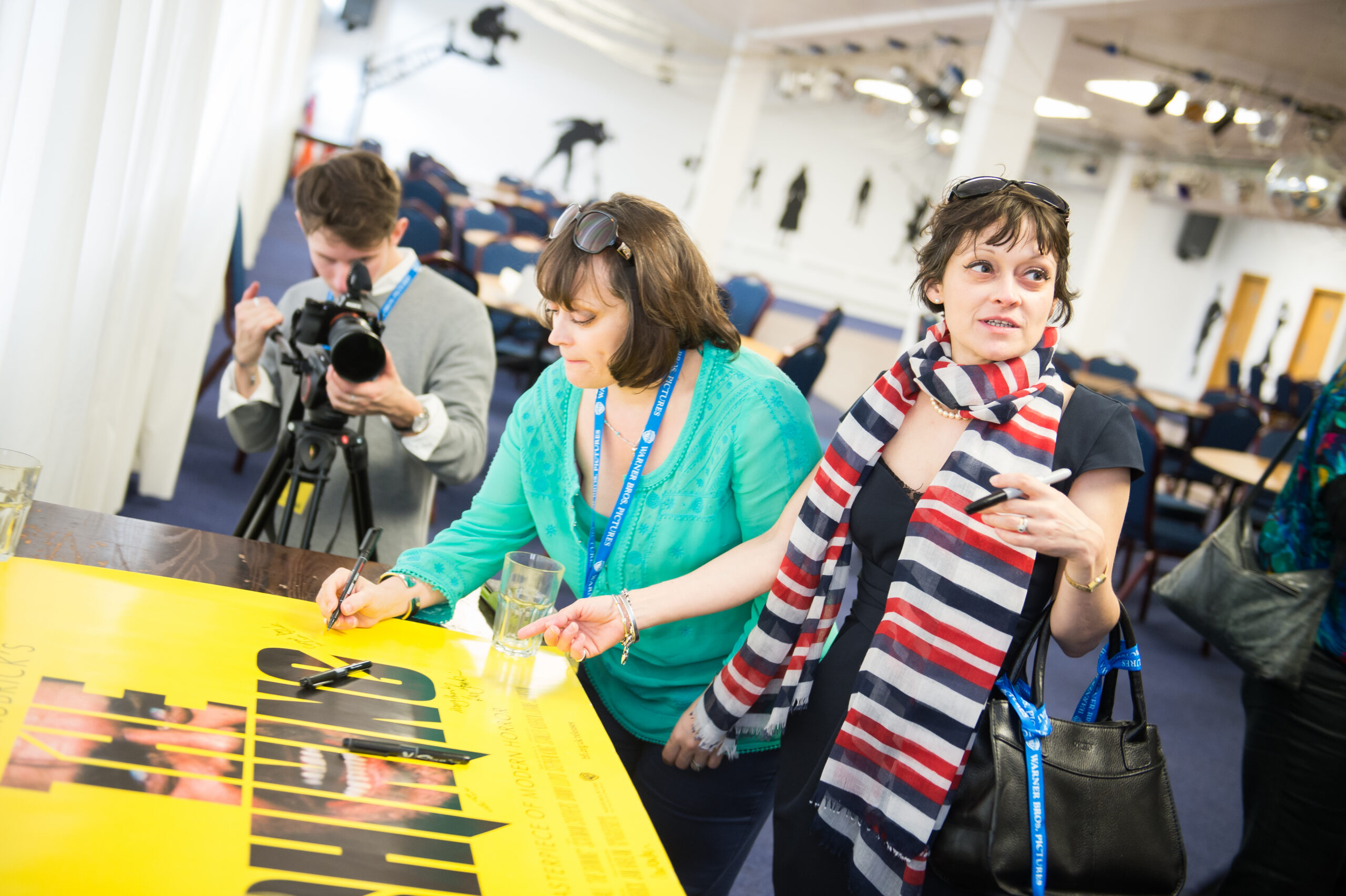
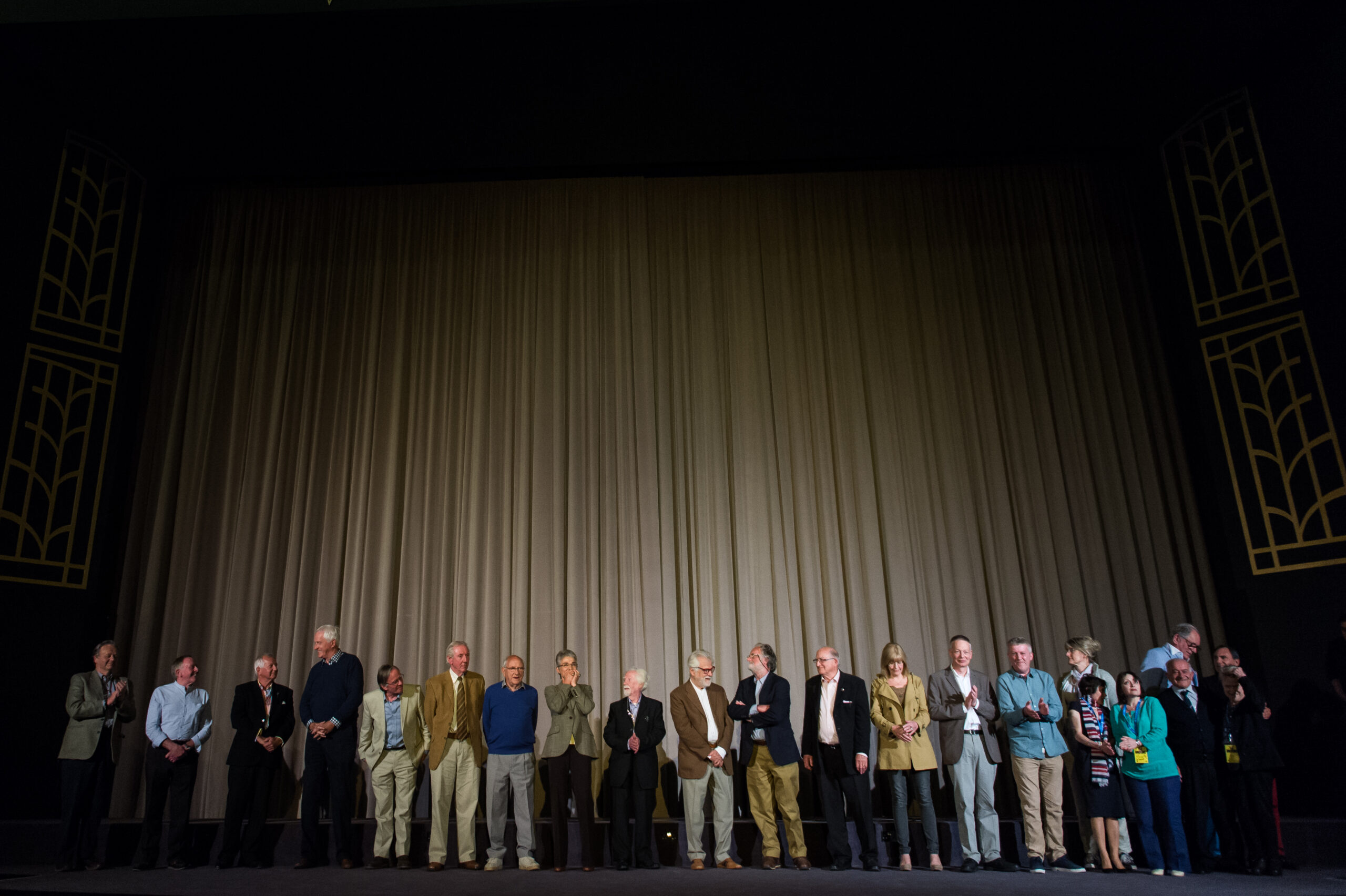
On 25 May 2015, The Elstree Project brought 26 members of the cast and crew of The Shining back to Elstree Studios to celebrate the film’s 35th anniversary. For many, it was the first opportunity to return to the studio and reunite with colleagues since the production.
The private reunion was followed by a sold-out public screening at The Odyssey cinema in St Albans, bringing together the people who made the film and the audiences who had sustained its reputation.
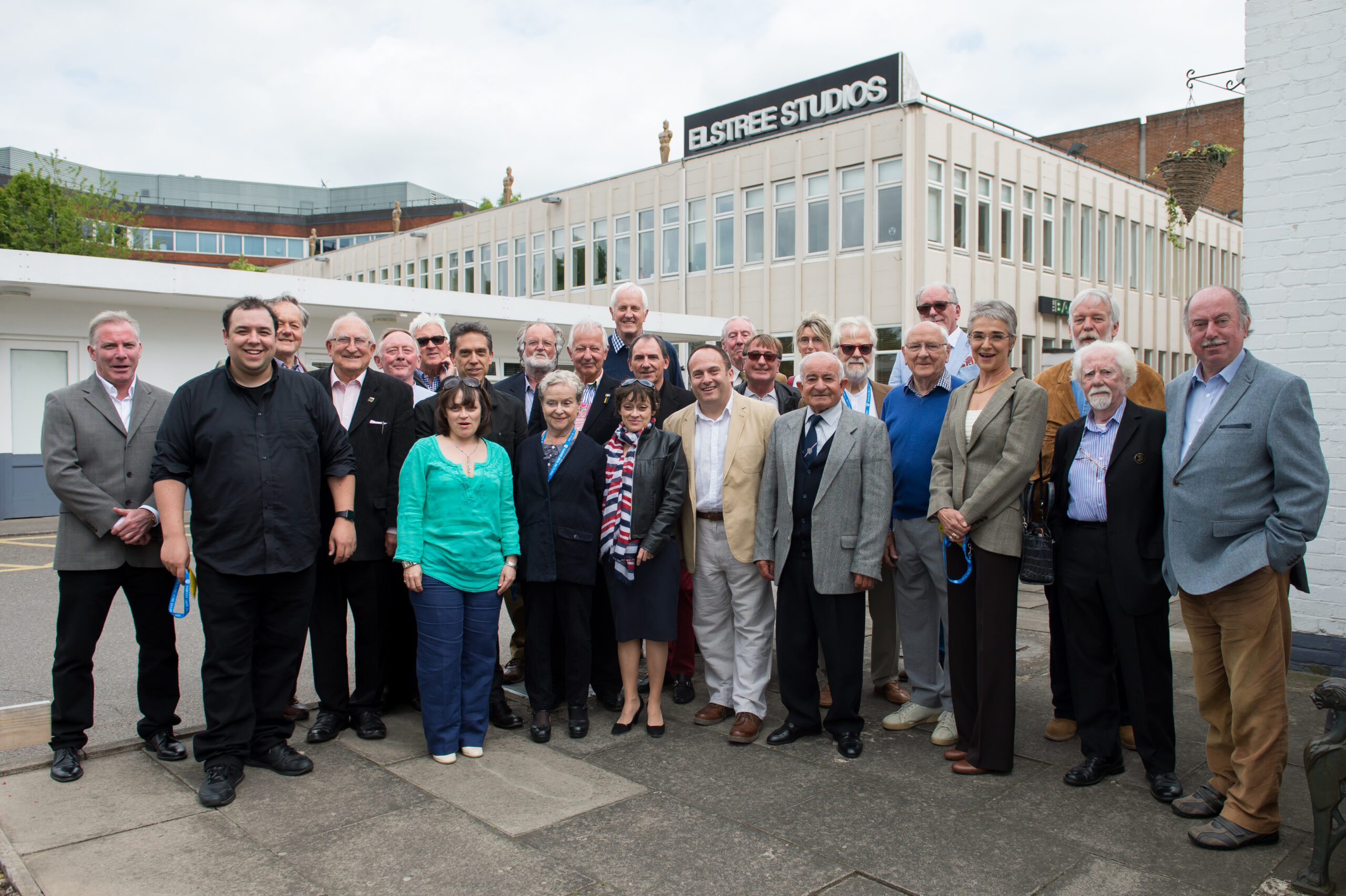
Returning to Elstree
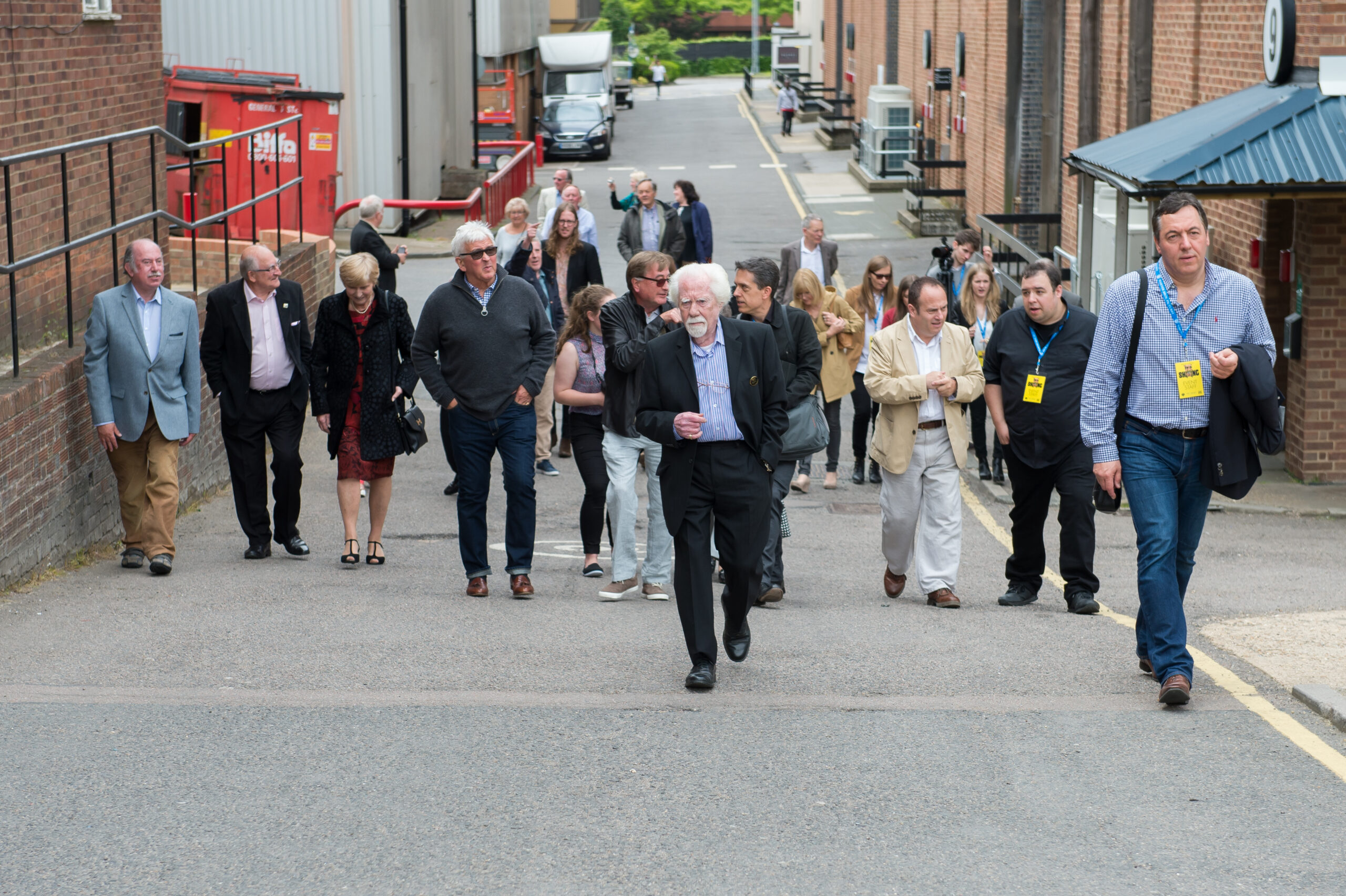
The day began at Elstree Studios, where cast and crew revisited the backlot and shared their memories of the places where the Overlook Hotel and its surrounding world had been created. The reunion was organised by The Elstree Project with support from the Kubrick family, Warner Bros. and Elstree Studios.
A sold-out public celebration
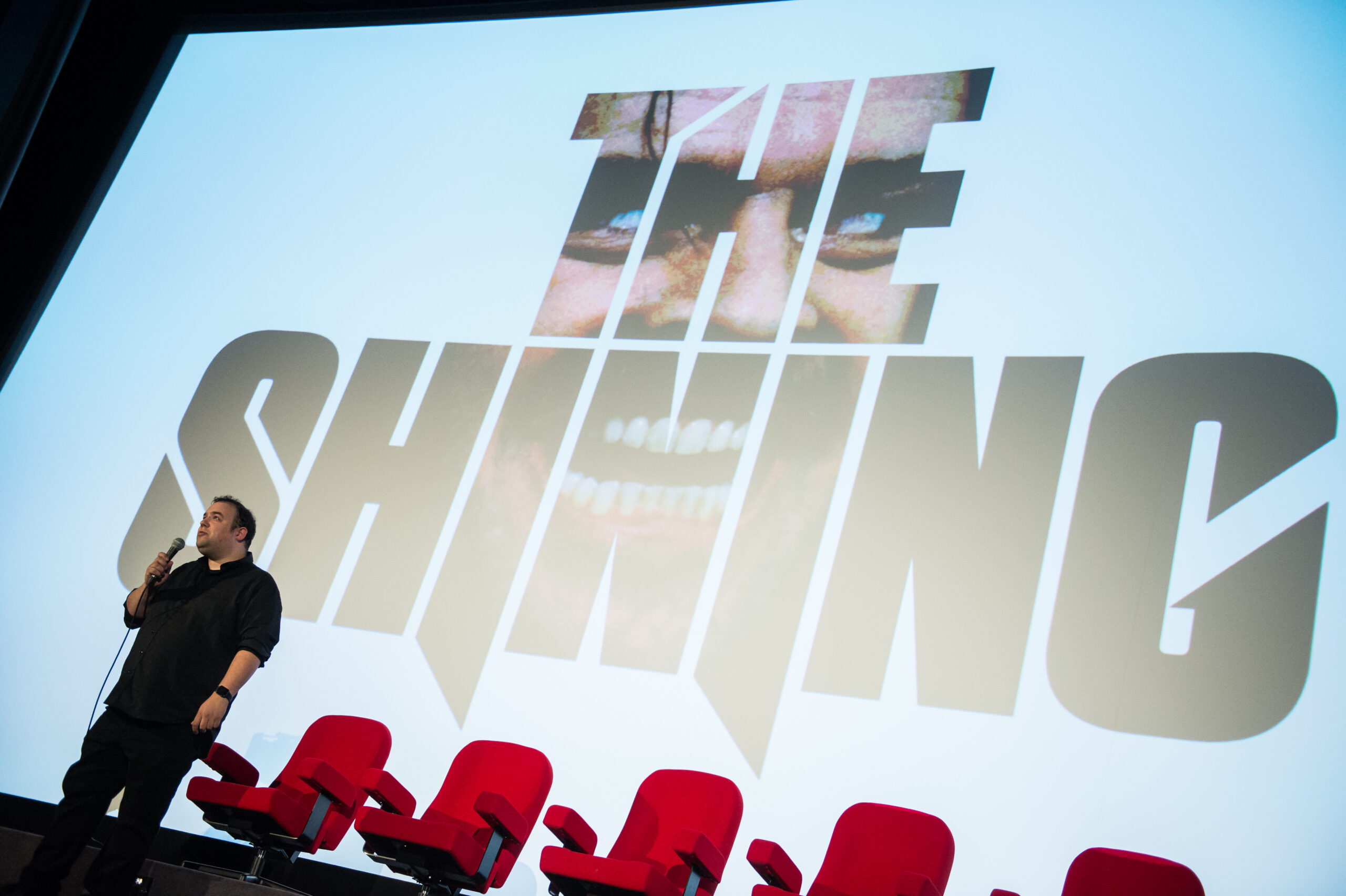
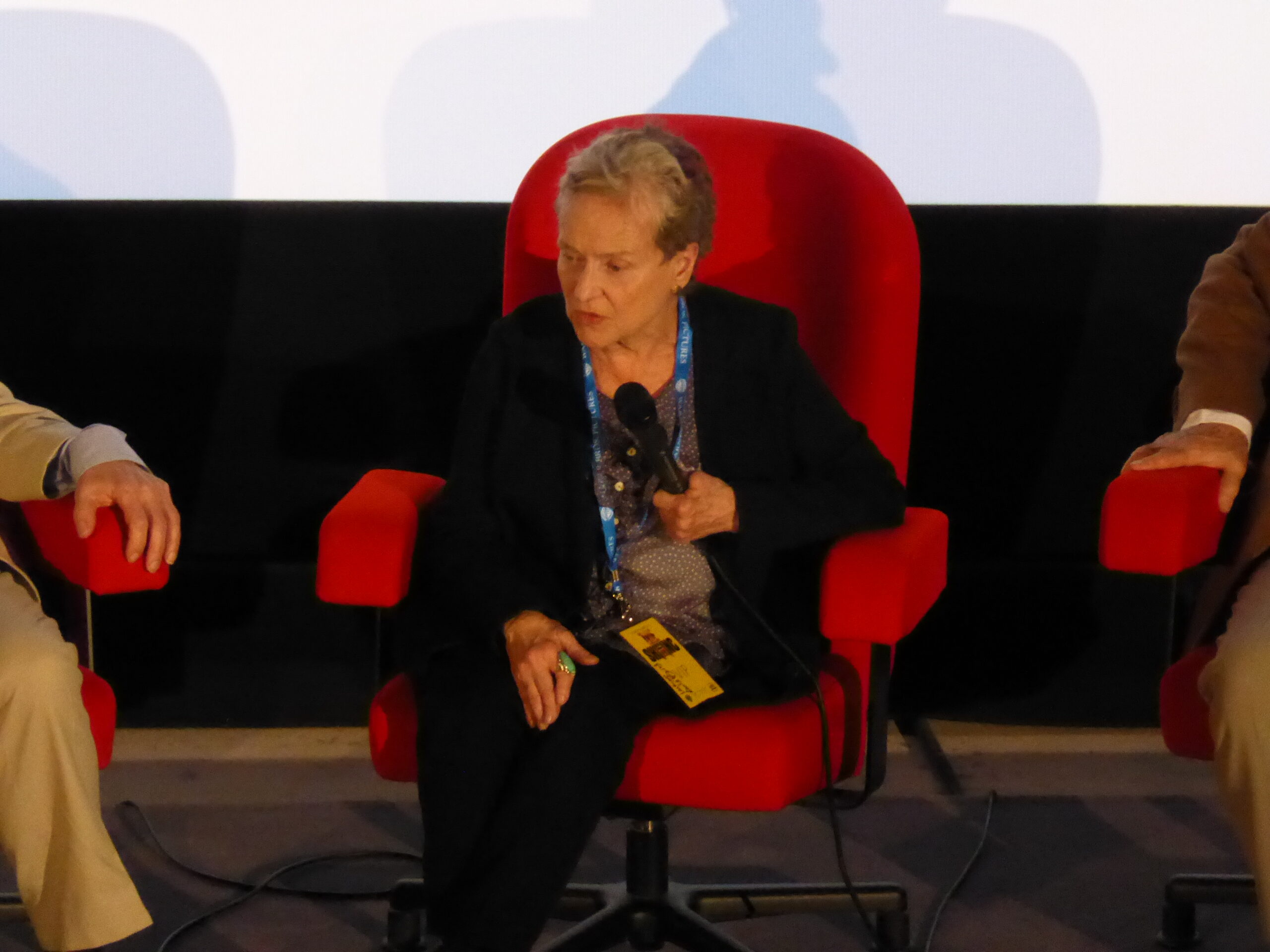
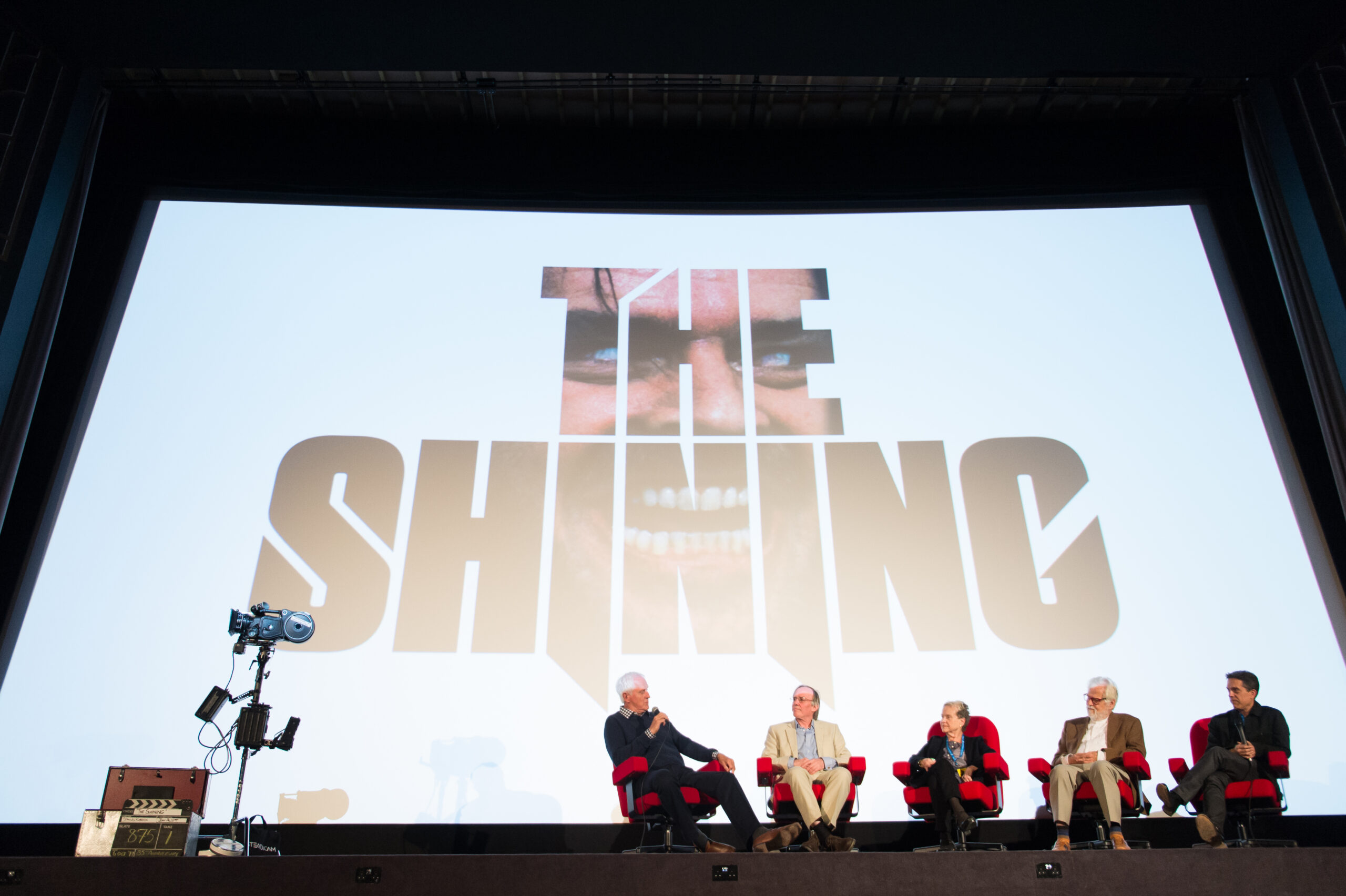
At The Odyssey, Lee Unkrich hosted a Q&A featuring screenwriter Diane Johnson, executive producer Jan Harlan, Steadicam inventor and operator Garrett Brown, and assistant editor Gordon Stainforth. The screening also included a specially recorded video message from Danny Lloyd.
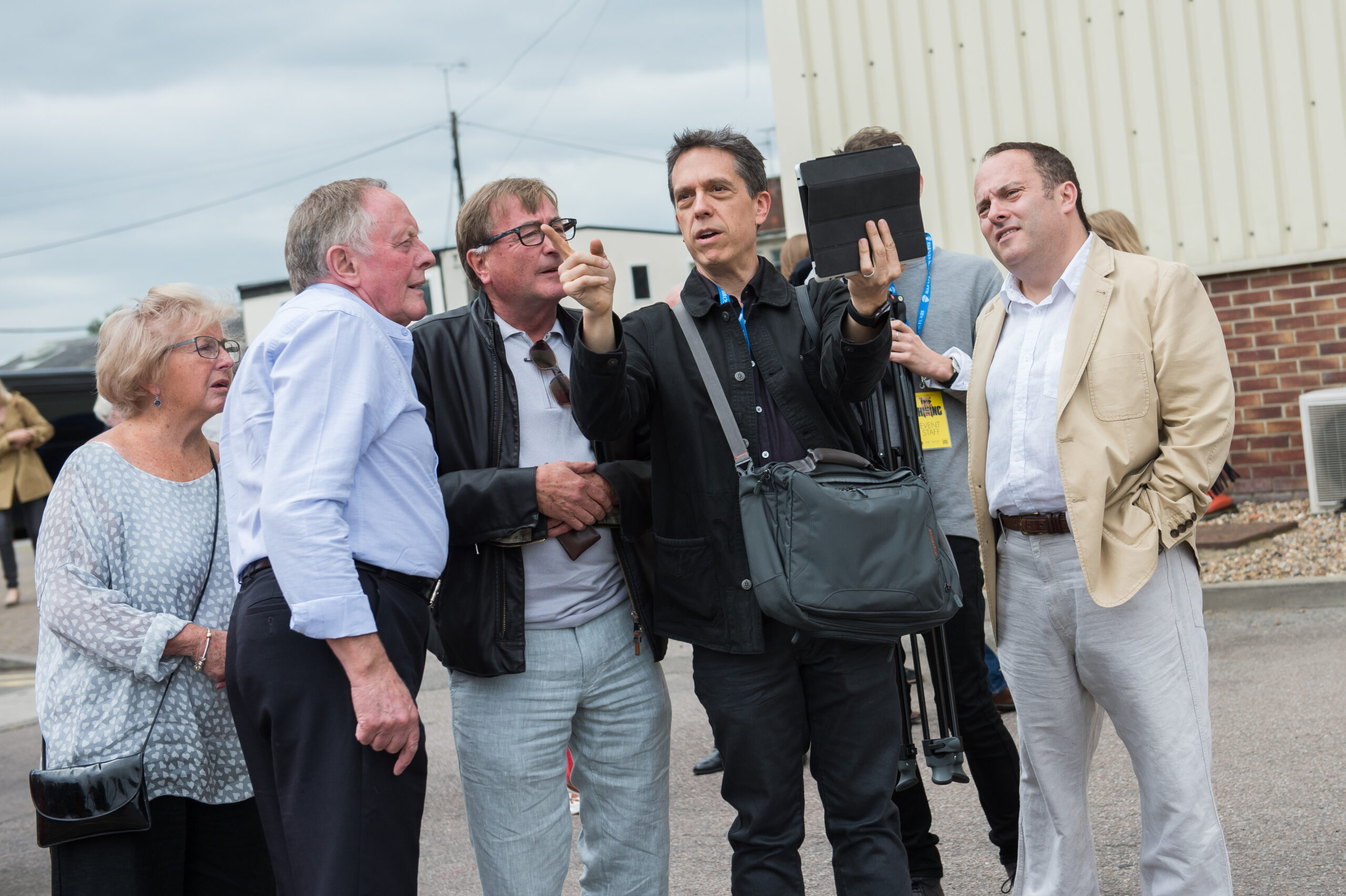
Photographs from the day

What the press had to say
“It was a touching day of reminiscences and insights.”
“Seeing this crowd again, it’s like a room full of ghosts, but very gentle, good ghosts.”
Garrett Brown in The Hollywood Reporter Read the original report ↗